How to handle commercial drone capture requests from clients
When you work as a certified drone pilot, the work often arrives through a third party. A client or a platform asks you to capture specific aerial data at a certain location and time. This is a commercial drone assignment, and knowing how to handle these requests properly can make the difference between a smooth job and a frustrating experience.
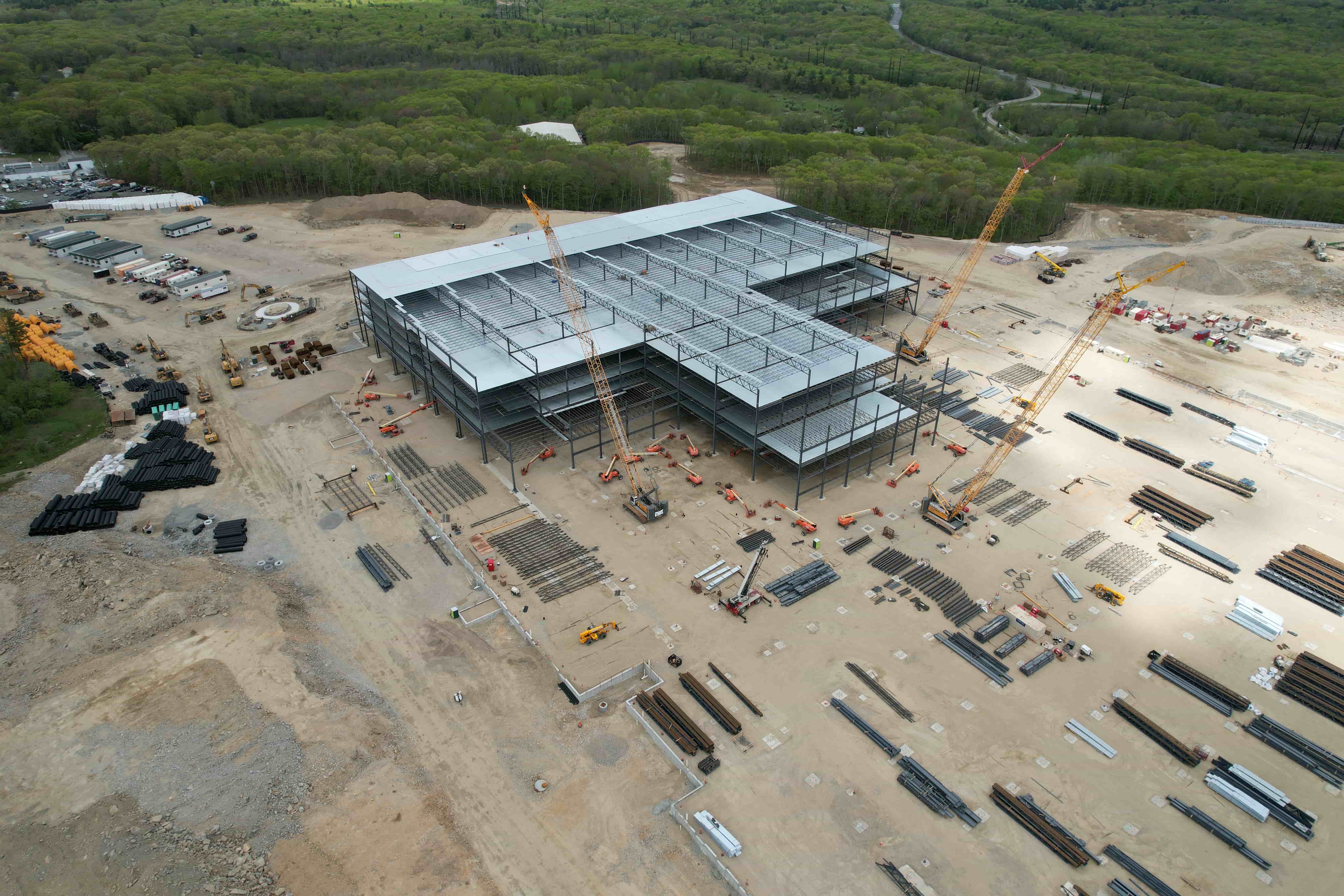
Commercial drone assignments come with clear expectations. The person or company requesting the capture usually has a project in mind. They need footage of a construction site, thermal data for a roof inspection, or orthomosaic images for agricultural analysis. Your job is to deliver that data in the format they need, on the schedule they expect, within the budget they have approved.
What a capture request typically includes
A well-written capture request spells out the basics. It names the location, the type of data required, the preferred date and time, and any special conditions. For example, a request might ask for 4K video of a commercial property at 10 AM on a weekday, with no clouds in the frame. Or it might request a set of 200 overlapping still images for photogrammetry, to be taken at an altitude of 120 meters above ground level.
The request may also include a service area. This is a geographic boundary within which the capture must happen. If you are not already located in or near that area, you need to factor in travel time and costs. Some platforms allow you to filter assignments by service area, so you only see jobs within a reasonable distance from your base.
Another key element is the job briefing. This is a document or message that outlines the specific requirements of the flight. It might include a map with the flight path, notes on obstacles like power lines or trees, and instructions on how to handle the data after capture. Reading the job briefing carefully is essential. Missing a detail here can mean re-flying the whole mission.
How pilots apply for assignments
Most commercial drone assignments work through a pilot application process. You review the available jobs, see which ones match your skills and equipment, and submit an application. The client or the platform then selects the pilot they want to work with.
Your application matters. It should highlight your relevant experience, the type of drone you use, and any certifications you hold. If the job involves thermal imaging, mention your experience with that sensor. If it requires flying in restricted airspace, note your authorization to do so. A strong application increases your chances of being chosen.
Once accepted, you receive the flight assignment. This confirms the details and gives you a go-ahead to start planning. At this point, you should contact the client if you have any questions about the job briefing. It is better to ask now than to arrive on site and realize you are missing something.
Setting expectations with the client
Clear communication with the client is critical. Before you fly, confirm the exact data they need. Ask about file formats, resolution, and delivery method. Some clients want raw files; others want processed outputs like orthomosaics or 3D models. If you are not sure what they mean by "processed," ask for an example.
Also confirm the timeline. When does the client need the data? Is there a hard deadline? Some projects are time-sensitive, like a real estate listing that goes live in three days. Others have more flexibility. Knowing the timeline helps you plan your workflow and avoid rush fees or missed deadlines.
Discuss the payout percentage early. If you are working through a platform, the platform takes a cut of the fee. Make sure you understand how much you will receive and when you will be paid. Some platforms pay upon delivery of the data; others pay after the client approves it. Clarify this before you start the work.
A platform like National Drone Services connects FAA-certified pilots with paid capture work. It also provides tools for processing, hosting, visualization, and reporting. That means you do not have to handle every step on your own. The platform can take raw data from your drone and turn it into something the client can use immediately.
Preparing for the flight
Preparation is where many pilots trip up. You need to check the weather, the airspace, and the equipment. A commercial drone assignment is not the time to wing it.
Check the weather forecast for the exact time of your flight. Look at wind speed, precipitation, and visibility. If conditions are marginal, have a backup plan. You might need to reschedule or adjust the flight path. Never fly in conditions that could damage your drone or compromise the data.
Airspace authorization is another must. Many commercial assignments take place in controlled airspace near airports or heliports. You need to have the proper authorization from the relevant aviation authority. If you do not have it, you cannot legally fly. Some platforms handle this for you, but it is your responsibility to verify.
Equipment checks are straightforward but easy to skip. Charge the batteries. Clear the SD card. Update the firmware if needed. Check the propellers for damage. A pre-flight checklist saves time and prevents avoidable failures.
During the capture
When you arrive on site, take a moment to survey the area. Look for obstacles that might not show up on the map. Check for people who might wander into the flight path. Make sure you have a clear line of sight to the drone at all times.
Fly the mission as specified in the job briefing. If the client wants overlapping images at a certain altitude, follow that exactly. Do not take shortcuts. A missing image can ruin the photogrammetry output. If something goes wrong during the flight, like a sudden gust of wind or a bird strike, abort the mission and inform the client. It is better to re-fly than to deliver bad data.
Capture more data than you think you need. Extra images or video give you flexibility during processing. You can always delete unnecessary files, but you cannot go back and re-acquire data once you leave the site.
Delivering the data
After the flight, you need to process and deliver the data. This is where the client project comes together. The client expects usable files, not raw SD card dumps. If the assignment calls for an orthomosaic, create it. If it requires a 3D model, produce that. Do not hand over unprocessed images unless the client specifically asked for them.

File management matters. Organize the data into folders with clear names. Include a brief readme file that explains what each folder contains. This shows professionalism and makes it easy for the client to find what they need.
Delivery method varies. Some clients want files uploaded to a cloud service. Others prefer a shared platform where they can view the data online. National Drone Services offers a visualization and reporting platform that can host the data and make it accessible to the client. This saves you the trouble of setting up your own hosting.
After delivery, follow up with the client. Ask if the data meets their expectations. If they need revisions, handle them promptly. A satisfied client is more likely to hire you again or recommend you to others.
Common pitfalls to avoid
- Accepting an assignment without reading the job briefing thoroughly. You might miss a critical requirement.
- Flying in poor weather just to meet a deadline. The data will be unusable, and you risk damaging your equipment.
- Delivering unorganized or unprocessed data. This frustrates clients and damages your reputation.
- Ignoring airspace restrictions. A fine or license suspension is not worth the shortcut.
- Failing to communicate with the client during the process. Regular updates build trust and prevent misunderstandings.
Building a reliable workflow
Over time, you will develop a routine that works for you. Start by creating templates for your applications and job briefings. Use a consistent file naming convention. Set up a system for tracking deadlines and payouts.
Consider using a platform that handles some of the administrative tasks. Having a single place for processing, hosting, and reporting simplifies the workflow. It also gives clients a consistent experience, which can lead to repeat business.
Finally, keep learning. Drone technology and regulations change. Stay current with new sensors, software updates, and airspace rules. The more you know, the better you can serve your clients and grow your commercial drone assignments.